
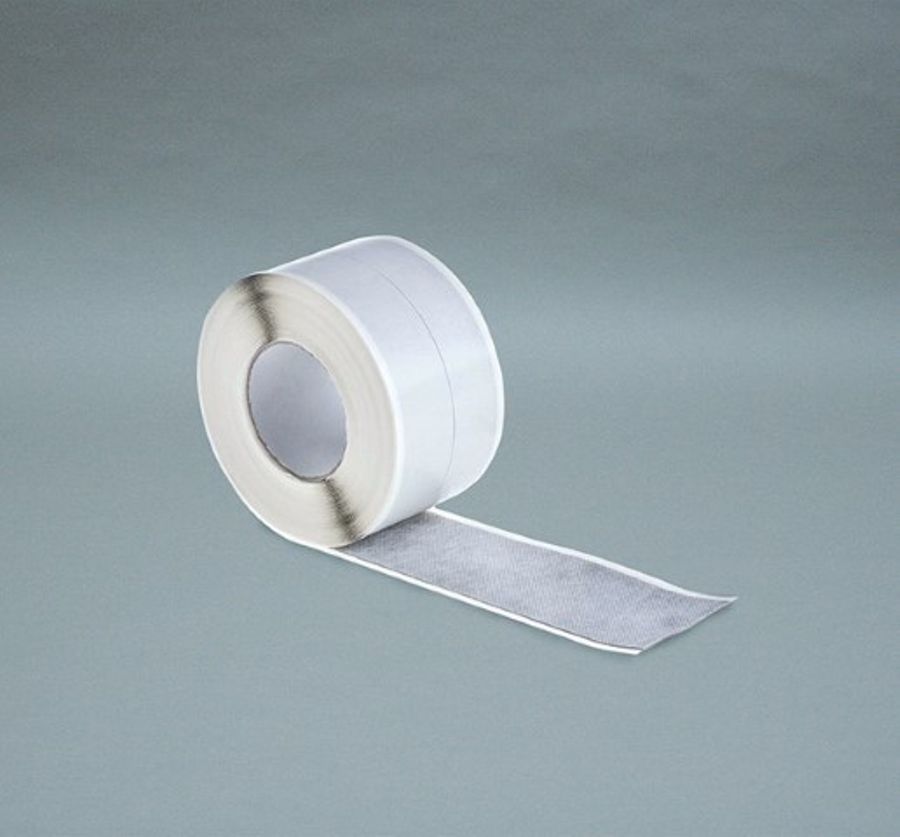
Ancillary Damp Proofing Products
Damp Proofing
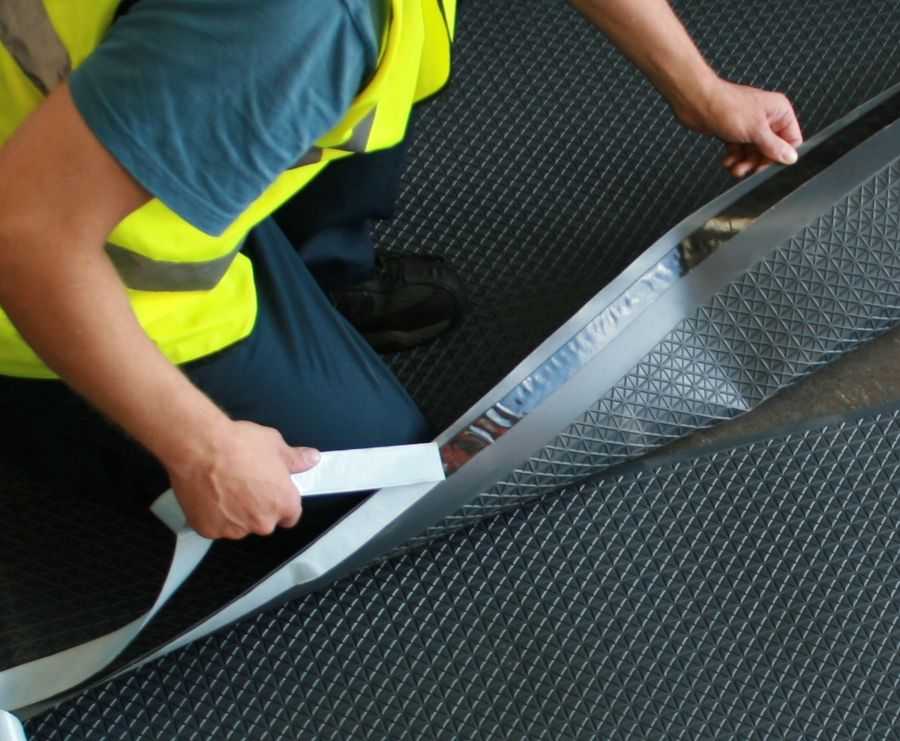
Flat Loose Laid High Grade Flooring Membrane
DampSafe 601 Slimline
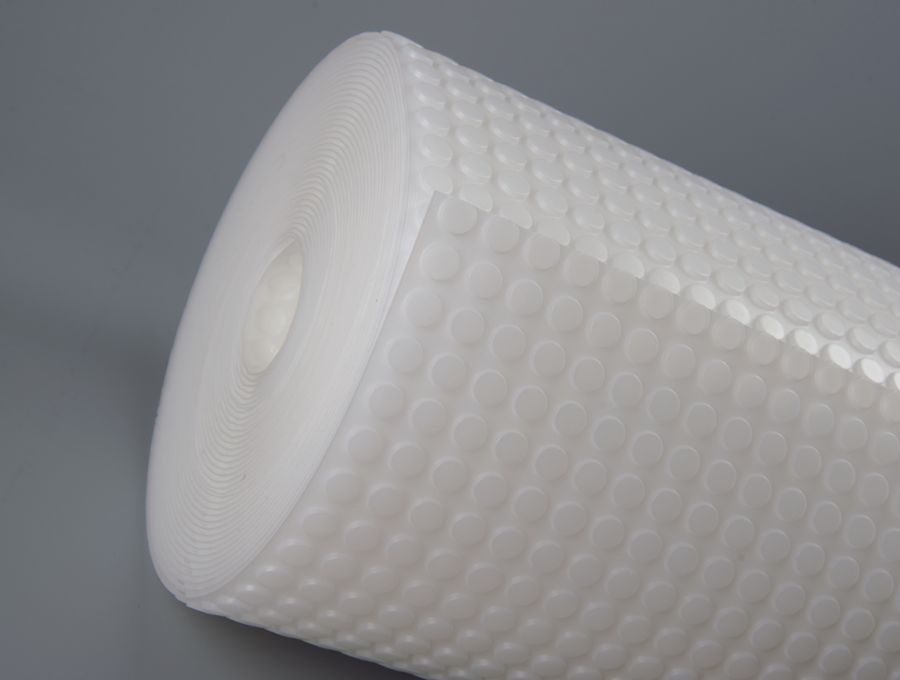
3mm Loose Laid Flooring Membrane
DampSafe 603
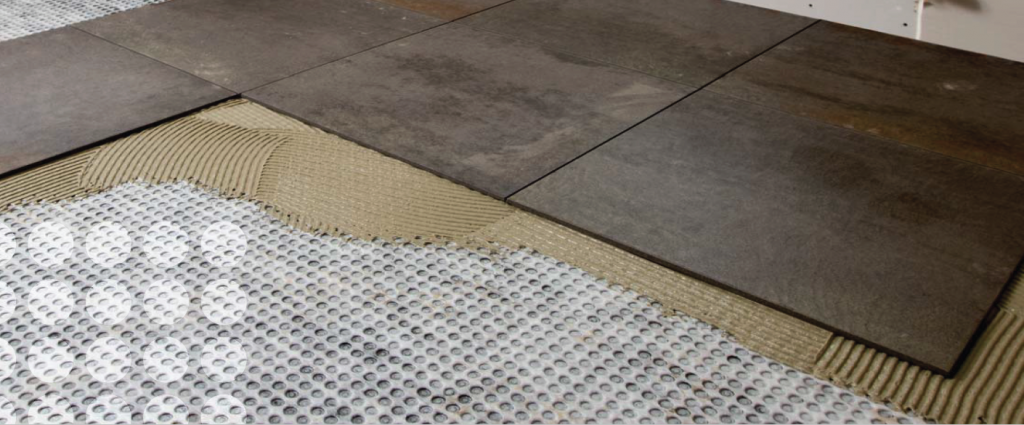
3mm Decoupling Mat for Tiling Floors
DampSafe 603 Tile D-Mat
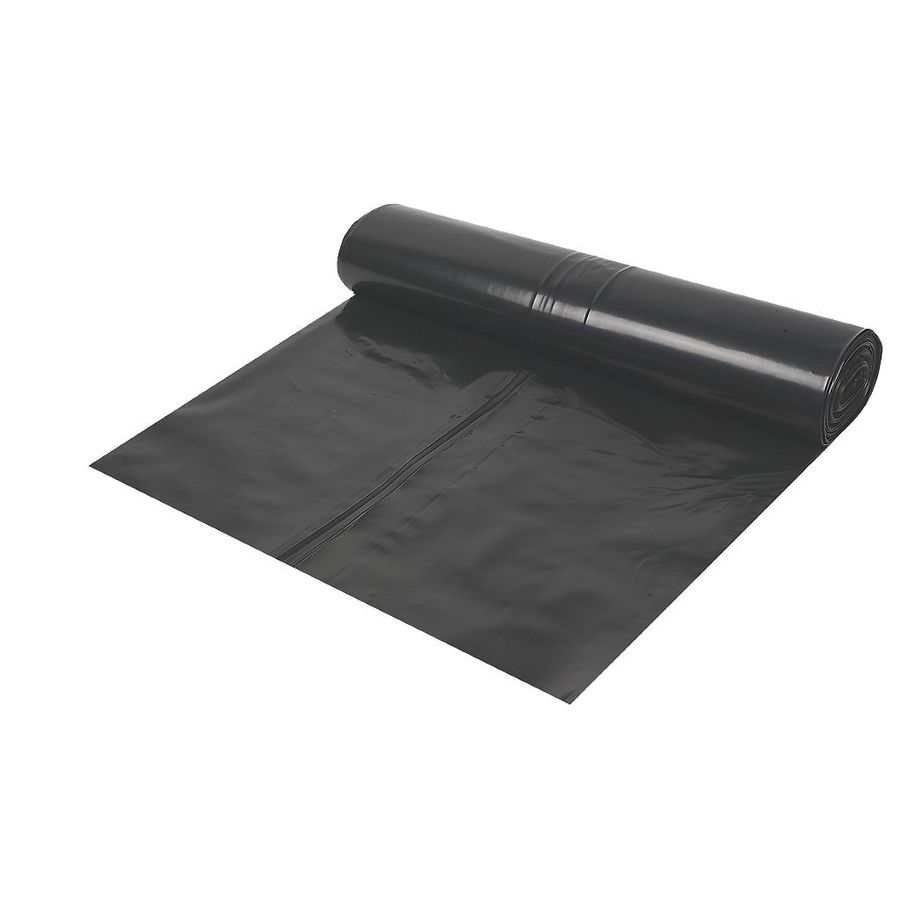
1200 Gauge Damp Proof Membrane
DampSafe 802-DPM
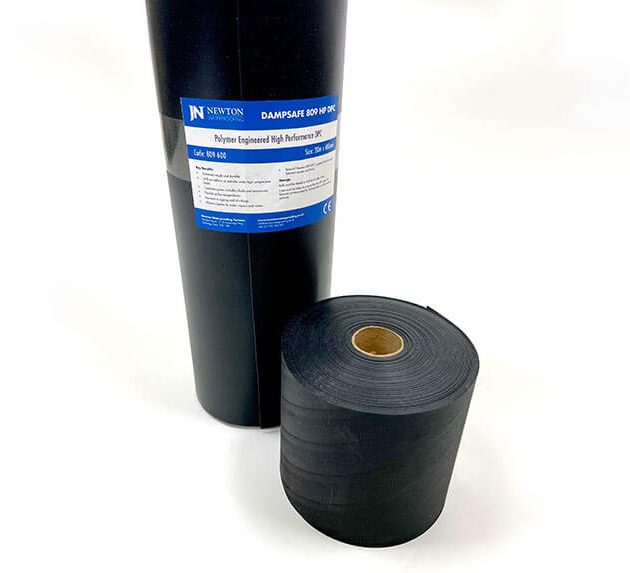
DPC – High Performance Physical Damp Proof Course
DampSafe 809-HP DPC

Anti-Mould And Anti-Condensation Paint
Diasen C.W.C. Stop Condense

Damp Tolerable Epoxy DPM
Epoxy DPM
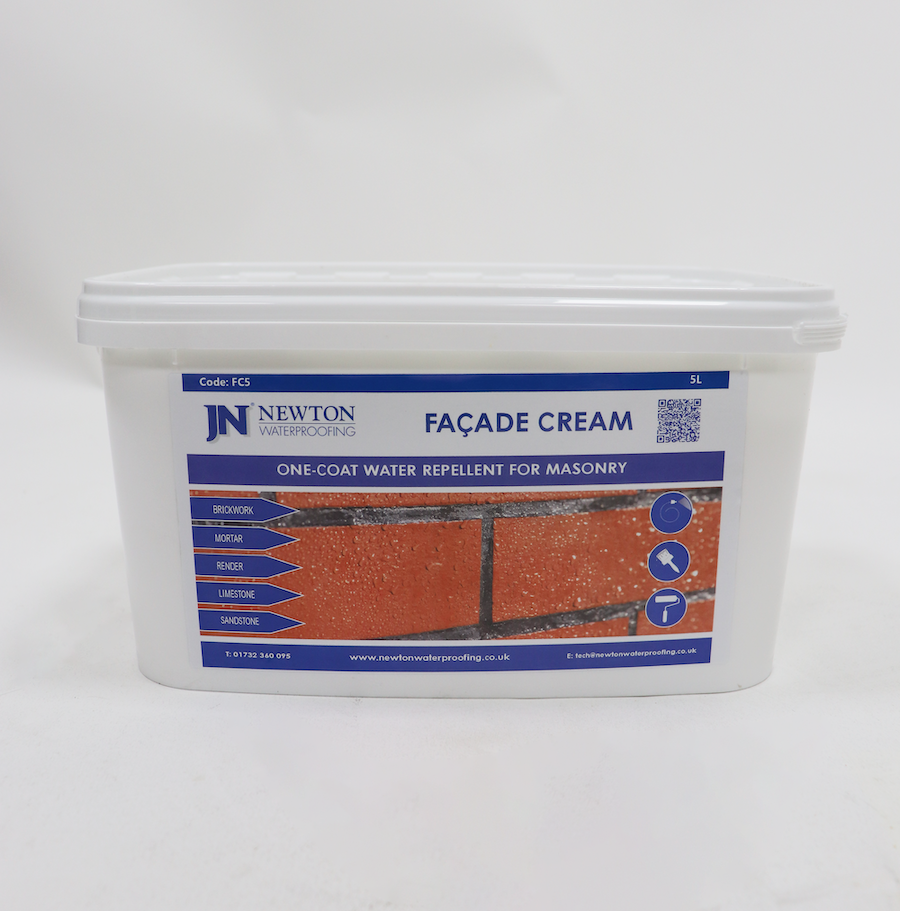
One-Coat Water Repellent for Masonry
Façade Cream
Non-Meshed Damp Proofing Membrane
Newton Newtonite
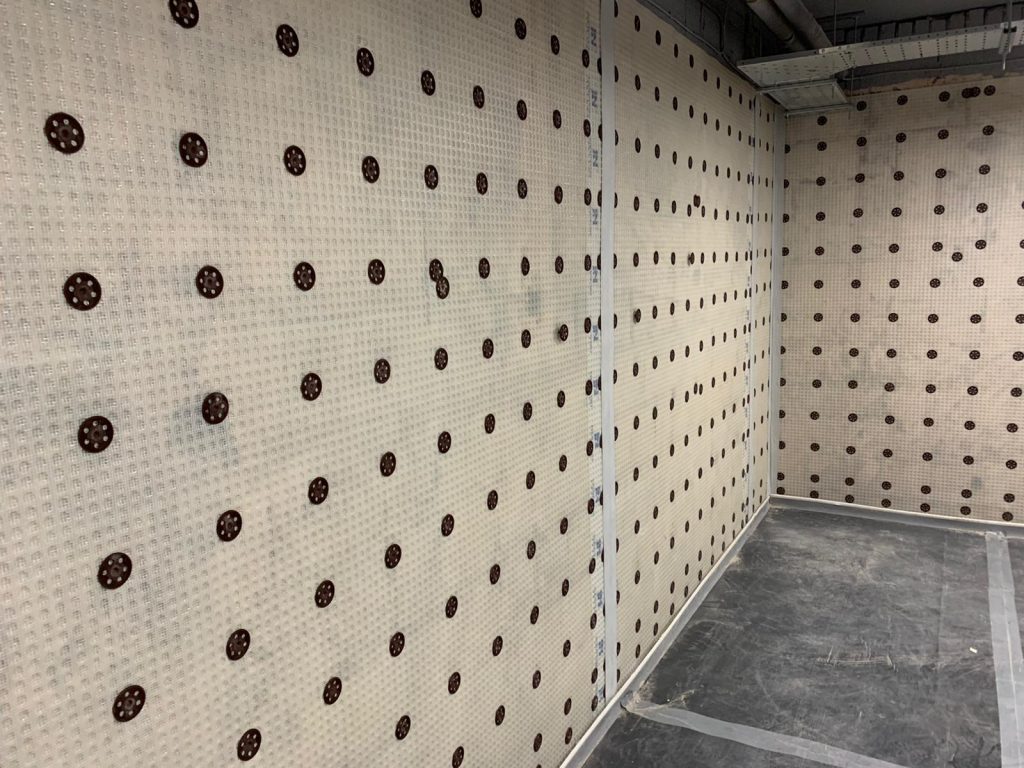
3mm Meshed Damp Proofing Membrane
Newtonite Lath Mesh Membrane
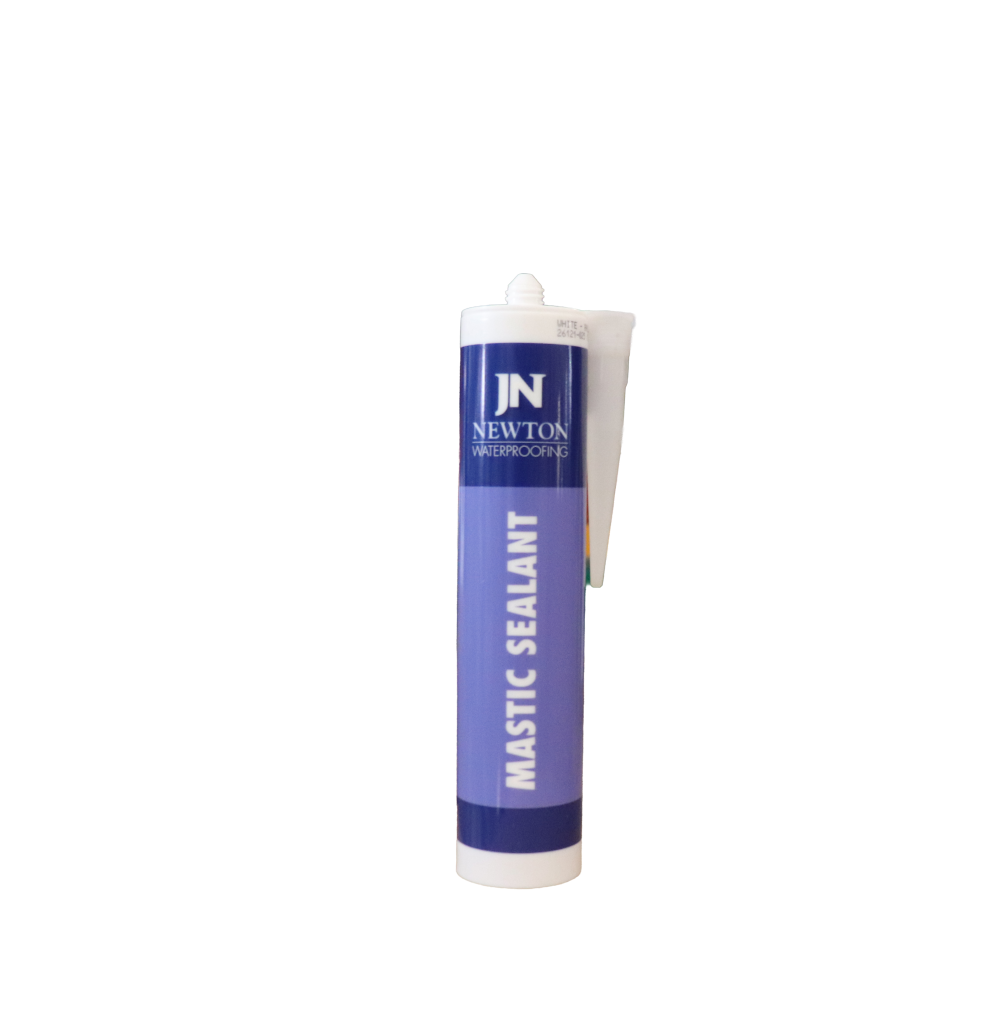
Sealing Mastic
Newtonite 801 Mastic
Damp Proofing Products
Damp proofing products control the movement of moisture within a building structure, preventing capillary water and water vapour from affecting internal finishes and occupied rooms.
It is distinct from structural waterproofing. Damp proofing products and systems manage moisture but are not designed to resist hydrostatic pressure.
Damp proofing is typically applied:
- Above ground or at ground floor level
- In refurbishment of existing buildings
- To isolate damp or salt-contaminated substrates
- As part of a wider moisture management strategy
Understanding Damp in Buildings
Moisture ingress generally occurs in three forms:
- Rising damp – capillary movement of groundwater through masonry
- Penetrating damp – lateral ingress due to defects or exposure
- Condensation – airborne moisture deposited on cold surfaces
Each source of damp requires a different approach. Incorrect diagnosis can lead to ineffective treatment and repeat failure.
Newtonite Lath Damp Proofing Membranes
Newtonite Lath is a meshed, damp proofing membrane designed for internal wall applications where moisture, salts or contamination are present.
It provides a mechanically fixed lining system that isolates internal finishes from damp walls, rather than attempting to resist moisture at the substrate surface.
As part of our damp proofing products range, Newtonite Lath is used where internal finishes require protection from damp or salt-contaminated backgrounds.
Key Applications
- Isolation of damp or salt-contaminated walls
- Refurbishment of properties affected by rising or penetrating damp
- Situations where removing the source of the moisture is not achievable
- Internal lining prior to plaster application
How It Works
Newtonite Lath is fixed to the wall to create a physical separation between the substrate and the internal finish:
- Moisture remains within the wall structure
- Salts are prevented from migrating into plaster finishes
- A stable background is created for new plaster or render
This approach aligns with good practice where managing moisture is more reliable than attempting to fully block it in refurbishment scenarios.
Damp Proof Membranes (Floor and Wall DPMs)
Damp proof membranes (DPMs) are damp proofing products used to prevent moisture transmission through floors and structural elements.
Applications for DPMs
- Rising damp
- Ground-bearing slabs
- Floor refurbishment
- Linking floor and wall damp protection
Types of DPM
- Non-meshed sheet wall membranes, such as Newtonite
- Polyethylene sheet membranes
- Bitumen-based membranes
- Liquid-applied systems
DPMs must be continuous and correctly detailed to prevent moisture from bypassing the membrane.
Newtonite and Newtonite Lath are often used in conjunction with floor membranes to achieve continuous internal damp proofing control.
Surface-Applied Damp Proof Coatings
Surface-applied coatings are damp-proofing products that provide resistance to moisture ingress when applied to the face of the substrate.
Applications for Surface Coatings
- Internal wall sealing
- External protection
- Floor surface preparation
Types of Surface Coating
- Cementitious coatings
- Bituminous coatings
- Epoxy resin-based liquids
These systems rely on high-quality adhesion and substrate condition, so they are not suitable where moisture contamination or salts are present within the structure.
Product Applications and System Selection
| Damp Condition | Source | Recommended Approach |
| Rising damp | Ground moisture via capillary action | DPC + Newtonite Lath internal lining |
| Penetrating damp | External defects or exposure | Repair + Newton Façade Cream |
| Salt contamination | Hygroscopic salts in masonry | Newtonite Lath membrane system |
| Damp internal walls | Persistent substrate moisture | Newtonite Lath membrane system |
| Damp floor slabs | Ground moisture transmission | DPM linked to wall system |
| Condensation | Internal humidity | Ventilation / Diasen CWC |
Newtonite Lath provides a low-risk, consistent solution in refurbishment scenarios by isolating the internal environment from variable substrate conditions.
System Design Considerations
Effective damp proofing design requires:
- Identification of the moisture source
- Assessment of substrate condition and salt contamination
- Selection of systems that maintain continuity
- Continuity between floor and wall protection
- Appropriate internal finish specification
Isolation systems such as Newtonite Lath reduce the need to rely on substrate condition, which is often uncertain in existing buildings.
Damp Proofing vs Waterproofing
- Damp proofing controls moisture and vapour
- Waterproofing resists water under pressure
Damp proofing products, including Newtonite Lath, are not suitable where hydrostatic pressure is present. In those cases, below-ground waterproofing systems designed in accordance with BS 8102:2022 must be used.
Summary
Damp proofing systems are appropriate where:
- Moisture exposure is limited to vapour or capillary movement
- Internal finishes require protection from damp or salts
- Full waterproofing is not required
Newtonite Lath provides a robust solution by:
- Isolating internal finishes from damp substrates
- Managing, rather than attempting to eliminate, moisture
- Delivering consistent performance in refurbishment environments
Successful damp proofing depends on:
- Accurate diagnosis
- Appropriate system selection
- Correct installation and detailing
- Integration with wider building performance measures
FAQs
What is the best method for damp proofing?
The most effective way to damp proof walls using damp proof paint is by first applying the paint to the underlying surface and then covering it with a layer of render or plaster. This method forms a sandwich system that retains the damp proof layer within the structure of the wall, preventing the intrusion of moisture.
How do you damp proof a wall?
Damp proofing a wall typically involves injecting a chemical damp proof course (DPC) into pre-drilled holes along the base of the wall. This forms a water-repellent barrier within the masonry to prevent moisture from rising through the structure. The fluid is applied using a low-pressure injection system, ensuring even distribution and effective protection. It’s also important to address any underlying issues such as poor drainage, and to replaster with a salt-resistant render if the wall has already been affected by damp.
Contact Newton Waterproofing
For technical advice, specifications, and support with damp proofing products, contact Newton Waterproofing. Our team guides detailing coordination and BS 8102:2022 compliance, ensuring the correct system is selected early in the waterproofing design process.
- 3mm & 5mm Meshed Damp Proofing Membrane
- Ancillary Damp Proofing Products
- Flat Loose Laid High Grade Flooring Membrane
- 3mm Loose Laid Flooring Membrane
- 3mm Decoupling Mat for Tiling Floors
- 1200 Gauge Damp Proof Membrane
- DPC - High Performance Physical Damp Proof Course
- Anti-Mould And Anti-Condensation Paint
- Damp Tolerable Epoxy DPM
- One-Coat Water Repellent for Masonry
- Non-Meshed Damp Proofing Membrane
- 3mm Meshed Damp Proofing Membrane
- Sealing Mastic
Trusted By


































Speak to our friendly, expert team
Our staff are able to provide guidance for projects of all sizes, whether you require some general advice about damp or waterproofing, or support with technical drawings and specifications.